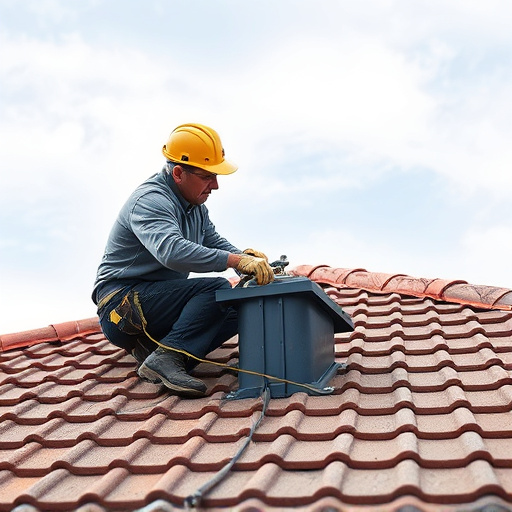
Tucson's unique climate demands effective roof ventilation to prevent leaks and maintain roofing health. Natural insulation solutions, combined with strategic ventilation like ridge vents and mechanical fans, mitigate water damage from severe storms and monsoon seasons. Regular inspections are crucial for early detection, ensuring Tucson roof leak repair naturally through proactive maintenance. By balancing ventilation and insulation, residents protect their homes, save on energy bills, and promote environmental sustainability. Key steps for natural tucson roof leak repair: assess leak source, improve attic ventilation, and enhance insulation with natural materials.
Tucson's unique climate presents specific challenges when it comes to roof ventilation and insulation. The intense summer heat and occasional winter storms demand strategies to protect homes from potential damage, especially in preventing costly Tucson roof leak repair. Proper ventilation and insulation are key components in ensuring the longevity of any roofing system, mitigating issues like moisture buildup and temperature extremes that can lead to leaks. This article delves into effective solutions tailored to Tucson's climate, offering insights on how homeowners can achieve optimal protection for their properties naturally.
- Understanding Tucson's Unique Roof Needs
- The Role of Ventilation in Preventing Leaks
- Natural Insulation Solutions for Your Home
- Step-by-Step Guide to Leak Repair Techniques
Understanding Tucson's Unique Roof Needs
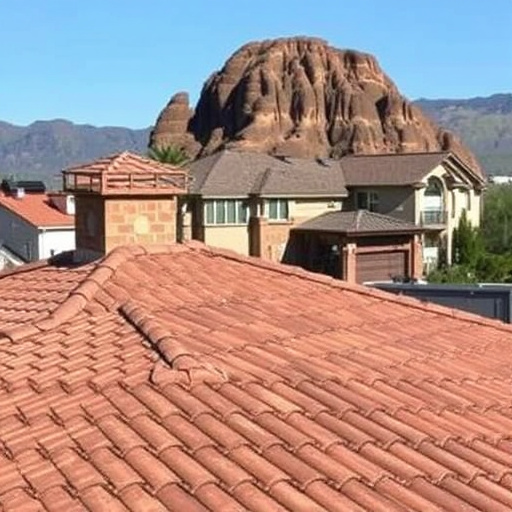
Tucson's unique climate and environmental factors present specific challenges for roof ventilation and insulation, often overlooked but crucial aspects of home maintenance. The city's hot, arid summers and mild winters demand tailored solutions to ensure structural integrity and comfort. One of the primary concerns is water damage prevention, as proper ventilation plays a pivotal role in keeping roofs dry and healthy. Given the region's occasional severe thunderstorms and monsoon seasons, effective Tucson roof leak repair naturally starts with understanding these conditions.
Roof leaks are not just an inconvenience; they can lead to significant water damage, affecting both the structure and belongings within. Studies show that inadequate ventilation is a leading cause of roofing issues, including leaks, in similar desert climates. In Tucson, warm air enters attics during the day, causing condensation on cold roofs, a process that, if left unaddressed, can foster mold growth and structural decay. Well-designed ventilation systems, coupled with quality insulation, can mitigate these problems. Natural solutions like strategic roof design, incorporating ridged or pitched roofing styles, enhance airflow, expelling hot air and preventing excessive moisture buildup.
A proactive approach to Tucson's roof needs involves integrating natural ventilation methods and efficient insulation practices. Homeowners should consider specialized materials that reflect heat and improve insulation performance. For example, reflective roofs and cool-roofing technologies reduce the urban heat island effect, keeping homes cooler and lessening the load on air conditioning systems. These strategies not only enhance energy efficiency but also contribute to the longevity of roofs by preventing excessive stress from rapid temperature changes. Regular inspections and maintenance are vital, as they allow for early detection of potential issues, ensuring prompt Tucson roof leak repair and minimizing water damage prevention challenges.
The Role of Ventilation in Preventing Leaks

In Tucson's diverse climate, proper roof ventilation plays a pivotal role in preventing leaks and promoting overall roofing health. Unlike many regions, Tucson experiences a unique combination of scorching summers and mild winters, making adequate airflow critical for year-round protection against water damage. Despite its seemingly dry atmosphere, moist air can build up inside attics, leading to condensation that, over time, weakens roofing materials and creates conducive conditions for leak development. Therefore, a well-designed ventilation system is essential for Tucson roof leak repair naturally and effectively.
Ventilation serves as a powerful defense mechanism against leaks by facilitating the escape of moist air from the attic space. When properly installed, vents allow hot, humid air to exit during summer months, reducing the risk of condensation on cold roofs. Conversely, in winter, they prevent frozen water vapor from condensing and forming ice dams that can puncture roofing membranes. By maintaining a balanced flow of air, ventilation acts as a crucial safeguard against water damage prevention, which is a top concern for Tucson homeowners. For instance, according to local roofers, many leaks encountered in the area are directly attributed to inadequate ventilation, underscoring the importance of this often-overlooked aspect of roofing maintenance.
To ensure optimal protection, Tucson residents should consider implementing both mechanical and natural ventilation strategies. Mechanical vents, such as exhaust fans or ridge vents, actively move air throughout the attic, creating a continuous flow even during periods of stagnant weather patterns. Natural ventilation, on the other hand, relies on the stack effect, where warm air rises and escapes through vents at the roof peak, drawing in cooler air from openings near the floor. Combining these methods creates a robust defense against leaks and water damage prevention. Regular inspection and maintenance are also vital; ensuring vents remain clear of obstructions and that sealing is adequate around vent openings can significantly enhance overall roofing performance. By prioritizing proper ventilation, Tucson property owners can sleep soundly, knowing their homes are shielded from the subtle yet potent threats of roof leaks.
Natural Insulation Solutions for Your Home
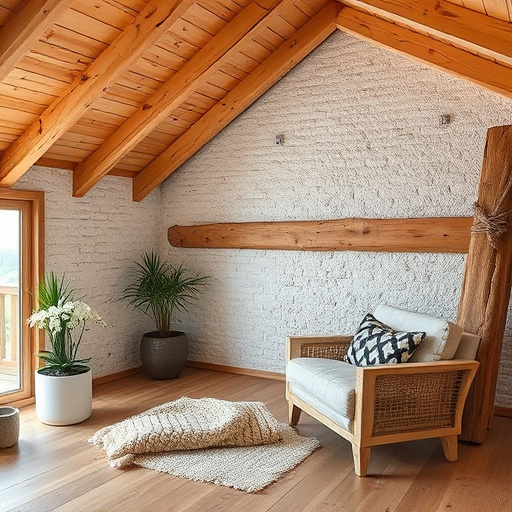
In Tucson's diverse climate, effective roof ventilation and insulation are not just recommendations—they're essential for home preservation and energy efficiency. Natural insulation solutions offer a sustainable and robust approach to mitigating water damage prevention, which is paramount in our region's mix of scorching summers and rainy winters. Instead of relying solely on synthetic materials, Tucson homeowners can harness the power of nature to create a fortress around their homes.
For instance, incorporating natural materials like cellulose or recycled paper insulation can significantly improve a roof's resistance to temperature fluctuations. These materials are not only effective but also environmentally friendly. Moreover, strategic ventilation channels allow for the escape of humid air during wet seasons, reducing the risk of mold and mildew growth—a common issue in areas with high humidity levels. By integrating natural insulation, Tucson residents can proactively avoid costly roof leak repairs naturally and extend the lifespan of their homes.
A study by the U.S. Department of Energy found that properly ventilated and insulated roofs can reduce energy loss by up to 10%, leading to lower utility bills for homeowners. This is particularly beneficial in Tucson, where extreme weather events can cause significant water damage. By focusing on natural insulation solutions, residents not only contribute to a greener environment but also invest in their home's longevity, ensuring it remains in top condition even as the climate changes.
Step-by-Step Guide to Leak Repair Techniques

In Tucson's unpredictable climate, proper roof ventilation and insulation are crucial for water damage prevention, ensuring your home remains a safe haven. When facing roof leaks, a systematic approach is vital to mitigate damage and restore peace of mind. This guide offers a step-by-step strategy for Tucson residents to tackle leak repair naturally, focusing on long-term solutions that enhance both the structure and energy efficiency of your home.
The initial assessment involves identifying the leak source—a process facilitated by examining the interior for water stains and tracking the flow back to the origin. Once located, a natural first step is to address any ventilation issues. Improper ventilation often exacerbates leaks; introducing fresh air reduces moisture buildup, slowing water infiltration. Consider enhancing exhaust vents in attics or installing additional intake vents lower down to create a balanced airflow system. This simple yet effective measure can significantly reduce the likelihood of future Tucson roof leak repairs and associated water damage.
After improving ventilation, the next phase focuses on insulation. A well-insulated roof acts as a protective barrier against rapid heat transfer, which can lead to melting snow or excessive internal moisture, both contributing to leaks. Using natural materials like cellulose or recycled paper insulation, you can enhance thermal resistance while maintaining environmental friendliness. In Tucson's diverse weather patterns, this dual approach of ventilation and insulation offers a powerful tool for water damage prevention, ensuring your home remains a secure and comfortable space for years to come.
In addressing quality roof ventilation and insulation in Tucson, this article has illuminated several key insights. First, understanding the unique roof needs specific to Tucson's climate is paramount, emphasizing proper ventilation as a cornerstone in preventing costly leaks. Natural insulation solutions stand out as eco-friendly and effective alternatives, providing an additional layer of protection against extreme temperatures. The step-by-step guide on leak repair techniques offers practical knowledge for both professionals and homeowners, highlighting the importance of meticulous repair to maintain structural integrity. Notably, Tucson residents can now explore natural methods for roof leak repair, enhancing not only the longevity of their roofs but also contributing to a more sustainable environment. These comprehensive insights empower readers to make informed decisions regarding their home's roofing needs, ensuring optimal performance and durability in Arizona's distinct climate.