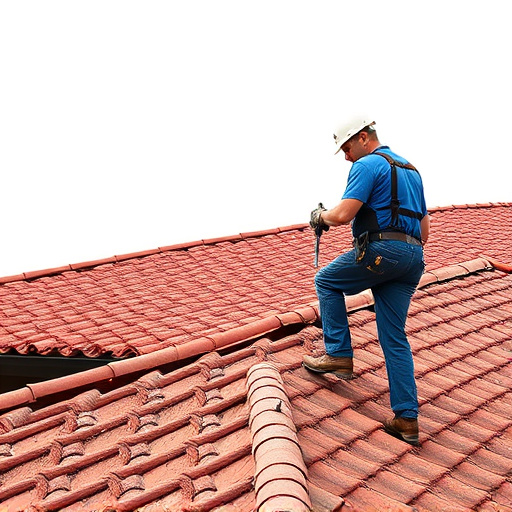
Tucson Roof Leak Repair: An In-Depth Analysis
Introduction
In the realm of construction and property maintenance, addressing leaks is an essential aspect of ensuring structural integrity and longevity. Among various repair techniques, ‘Tucson roof leak repair’ stands out as a specialized field, offering innovative solutions to a common yet complex problem. This comprehensive article aims to dissect and explore the intricacies of Tucson roof leak repair, its global impact, technological advancements, and future prospects. By delving into these aspects, readers will gain valuable insights into this critical component of the building industry.
Understanding Tucson Roof Leak Repair: Unveiling the Basics
Tucson roof leak repair refers to the process of identifying and fixing leaks within roofing systems, a common issue faced by property owners worldwide. This specialized service involves a systematic approach to locate the source of a leak, implement temporary repairs, and execute permanent solutions to prevent future occurrences. The core components of this process include:
-
Inspection: Thorough inspection of the roof and its drainage system is the first step. This involves visual examinations, infrared thermal imaging, and possibly drone surveillance to identify weak points or signs of water intrusion.
-
Diagnosis: Once a leak is located, professionals use diagnostic tools to determine the root cause, whether it’s faulty flashing, damaged shingles, or compromised underlayment.
-
Repairs: Temporary patches may be applied to stop immediate water penetration while more permanent solutions, such as replacing damaged materials or re-sealing, are planned.
Historically, roof leak repair has evolved from traditional methods using tar and gravel to modern techniques incorporating advanced materials and technologies. Today, Tucson roof leak repair professionals employ a combination of proven techniques and cutting-edge innovations to ensure effective and long-lasting solutions.
Global Impact and Trends
The influence of Tucson roof leak repair extends beyond local boundaries, as water-related issues are universal challenges for building structures. Here’s an overview of its global impact:
| Region |
Challenges |
Trending Solutions |
| North America |
Severe weather events, including storms and hurricanes, contribute to widespread roof damage and leaks. |
Advanced flashing techniques and storm-resistant roofing materials are gaining popularity. |
| Europe |
Ancient building practices combined with modern construction create diverse challenges. |
The use of eco-friendly, sustainable roofing solutions is on the rise, addressing both leak prevention and environmental concerns. |
| Asia-Pacific |
Rapid urbanization and varying climates demand versatile roof repair methods. |
Smart roofing technologies, such as self-healing materials and integrated sensors, are being adopted for better leak detection and monitoring. |
| Middle East & Africa |
High temperatures and intense sunlight accelerate material degradation. |
Reflective roofs and cool roof systems are being implemented to reduce heat absorption, thereby minimizing the risk of leaks. |
These regional trends reflect the dynamic nature of Tucson roof leak repair, where innovation meets local climates and building practices.
Economic Considerations: Market Dynamics and Investments
The economic aspects of Tucson roof leak repair are multifaceted, influencing both the industry and individual property owners:
-
Market Size: According to a recent report by Market Research Future (MRFR), the global construction market is projected to reach USD 250.3 billion by 2027, with roofing services as a significant segment. This growth directly impacts roof leak repair demand.
-
Investment Patterns: Property owners and insurance companies invest heavily in roof leak repair and replacement. In the US, for instance, residential roofing repairs account for approximately $45 billion annually, with commercial roofs adding to this figure.
-
Cost-Benefit Analysis: Effective leak repair not only prevents extensive water damage but also saves on costs associated with complete roof replacements. This makes Tucson roof leak repair a cost-effective solution in the long run.
Technological Advancements: Revolutionizing Repair Practices
Technological innovations have revolutionized Tucson roof leak repair, enhancing efficiency and precision. Some notable advancements include:
-
Drone Technology: Drones equipped with high-resolution cameras and thermal imaging sensors can quickly survey large rooftops, identifying leaks from above. This technology reduces inspection time and costs while providing detailed data for accurate repairs.
-
Smart Materials: Self-healing membranes and patches are being developed to seal minor cracks and holes before they become major leaks. These materials offer a temporary fix while professionals work on permanent solutions.
-
Digital Imaging and Modeling: Advanced 3D imaging and modeling software enable professionals to create detailed digital twins of roofs, aiding in precise diagnosis and repair planning. This technology ensures more accurate and efficient repairs.
Policy and Regulation: Governance and Compliance
The regulatory landscape for Tucson roof leak repair varies across regions but generally aims to ensure safety, quality, and environmental sustainability:
-
Building Codes: Local building codes dictate minimum standards for roofing materials, construction practices, and maintenance. Compliance with these codes is mandatory for all roofing projects, including repairs.
-
Environmental Regulations: In many countries, regulations govern the disposal of roofing waste and promote the use of eco-friendly materials. For instance, the EU’s Waste Framework Directive sets guidelines for managing construction waste, including roof replacements.
-
Insurance Requirements: Insurance companies often mandate specific repair practices to prevent future claims. Compliance with industry standards and best practices is essential to avoid disputes and ensure fair claims processing.
Challenges and Criticisms: Overcoming Barriers
Despite its advancements, Tucson roof leak repair faces several challenges and criticisms:
-
Accessibility: Repairing leaks in hard-to-reach areas or on curved rooftops can be challenging, requiring specialized equipment and skills.
-
Weather Conditions: Outdoor work is often hindered by adverse weather, particularly rain, which can complicate inspection and repair processes.
-
Lack of Standardization: The absence of universal standards for certain repairs can lead to variations in quality and safety across different regions.
To address these issues, industry professionals advocate for:
- Continued training and education to enhance skill sets.
- Adoption of standardized practices and guidelines.
- Investment in specialized equipment and technology.
- Collaboration between industry bodies, regulators, and insurance providers.
Case Studies: Real-World Success Stories
The following case studies highlight successful Tucson roof leak repair projects, offering valuable insights into effective strategies:
Case Study 1: Historic Building Restoration
In a bustling European city, an old warehouse with a unique architectural design was facing severe roof leaks. The challenge lay in preserving the building’s historical integrity while addressing the leaks. Professionals used traditional techniques, such as hand-laid shingles and custom-made flashing, combined with modern infrared scanning to locate hidden leaks. This project received accolades for successfully reconciling preservation and repair.
Case Study 2: Smart City Roofing
A Middle Eastern city embarked on a project to modernize its municipal buildings’ roofing systems. They implemented smart roofs equipped with sensors to monitor temperature, humidity, and leak detection. This tech-driven approach reduced maintenance costs and improved building efficiency, setting a new standard for future projects.
Case Study 3: Community-Driven Initiative
In a suburban US community, a neighborhood association organized a collective effort to repair and replace roofs in older homes, focusing on low-income families. By pooling resources and volunteers, they successfully reduced the number of roof leak-related emergencies, enhancing the overall safety and value of the neighborhood.
Future Prospects: Emerging Trends and Growth Areas
Looking ahead, Tucson roof leak repair is poised for significant growth and technological advancements:
-
Sustainable Roofing: The demand for eco-friendly roofing solutions will continue to rise, driven by environmental concerns and government incentives. Cool roofs, green roofs, and energy-efficient materials will gain prominence.
-
Digital Integration: The integration of Internet of Things (IoT) devices and artificial intelligence (AI) in roof monitoring systems is expected to transform leak detection and maintenance. These smart systems can predict and prevent leaks before they occur.
-
Robotic Assistance: Robotic technology may play a role in complex repairs, providing enhanced precision and access to challenging areas.
-
Global Standardization: Efforts to establish international standards for roofing practices will improve safety and quality across borders.
Conclusion: Securing a Leaky Roof’s Future
Tucson roof leak repair is a dynamic field that combines traditional expertise with cutting-edge technology, addressing a universal challenge. Through global collaboration, technological advancements, and proactive policies, the industry is poised to overcome current challenges and embrace future opportunities. As buildings continue to evolve in design and material, Tucson roof leak repair professionals will remain essential in ensuring structural integrity and protecting investments.
FAQ Section: Addressing Common Concerns
Q: How do I know if my roof has a leak?
A: Signs of a leak include discolored or peeling paint, water stains on ceilings or walls, musty odors, and unexpected drops in energy bills, as it may indicate damaged insulation.
Q: What is the average cost of roof leak repair?
A: Costs vary widely based on the extent of damage, roofing material, location, and labor rates. Minor repairs can range from $500 to $1500, while extensive replacements may cost $10,000 or more.
Q: Can I perform roof leak repair myself?
A: While some minor repairs are DIY-friendly, complex leaks often require professional skills and equipment. Improper repairs can cause further damage, making expert intervention crucial.
Q: What are the benefits of regular roof maintenance?
A: Regular inspections and maintenance can prevent minor leaks from becoming major issues, saving on costly repairs and extending the lifespan of your roof.
Q: How do I choose a reputable roofing contractor?
A: Check for licenses, insurance, and positive reviews. Ask for references, compare estimates, and ensure they use high-quality materials and follow safety standards.
Tucson roof leak repair requires tailored strategies due to unique climate conditions. Key insights include:
– Prompt detection and action for leaks in arid environment.
– Use high-quality, weather-resistant materials and robust flashing.
– Implement advanced drainage systems and adhere to local building codes.
– Adopt natural approaches like reflective roofing and hydrophobic membranes.
– Regular inspections by certified professionals for proactive maintenance.
– Proper ventilation systems to prevent heat/moisture build-up.
– Eco-friendly sealing agents enhance defenses against leaks naturally.
In the dynamic climate of Tucson, robust roof installations and timely repairs are non-negotiable for any property owner. The region’s unique weather patterns present challenges, with intense sun exposure and occasional severe storms causing wear and tear on roofing structures. This is where expert intervention becomes crucial—a well-installed or repaired roof isn’t just about aesthetics; it’s about safeguarding your home from the elements. We delve into the intricacies of Tucson roof leak repair naturally, offering a comprehensive guide that leverages professional expertise to ensure your roof stands strong against time and weather.
Understanding Tucson's Roof Requirements

Tucson’s unique climate and environmental conditions present specific challenges for roof installation and repair. With a diverse range of architectural styles and varying weather patterns, understanding local roof requirements is paramount for any expert in Tucson roof leak repair. The city experiences hot, dry summers and mild winters, subjecting roofs to intense sunlight, high winds, and occasional severe storms. These factors contribute to natural wear and tear, making water damage prevention a primary concern.
One of the key considerations for Tucson residents is addressing roof leaks promptly to mitigate potential water damage. Unlike areas with consistent rainfall, identifying leaks in this arid climate can be more challenging due to the lack of continuous moisture. However, when leaks do occur, they can lead to substantial interior damage and costly repairs if not managed effectively. Experts recommend regular inspections to identify and rectify issues before they escalate. For instance, a study by the National Weather Service revealed that many roofs in Tucson sustained significant damage during intense monsoons, emphasizing the need for proactive maintenance.
To ensure effective water damage prevention, Tucson roof repair specialists employ various strategies. These include using high-quality, weather-resistant materials, implementing robust flashing and sealing techniques, and incorporating advanced drainage systems. By understanding local building codes and adopting best practices, experts can provide long-lasting solutions. For example, a natural approach to Tucson roof leak repair involves utilizing locally sourced, reflective roofing materials that reduce heat absorption, thus lowering cooling costs and minimizing the risk of thermal damage. This holistic approach not only addresses immediate repair needs but also contributes to energy efficiency and sustained roof integrity.
The Step-by-Step Guide to Repair

Roof leaks in Tucson can be a common concern for homeowners, often requiring immediate attention to prevent water damage and ensure the structural integrity of your home. A thorough understanding of the repair process is essential, especially when aiming for natural solutions that minimize environmental impact. The following step-by-step guide provides an expert perspective on tackling roof leaks efficiently and effectively.
First, locate the leak source by tracking dampness or water stains inside your home, tracing them back to their origin. Often, leaks start in common areas like bathrooms, kitchens, or attics. Once identified, inspect the exterior for missing or damaged shingles, flashing issues, or signs of wear around vents and chimneys—the most frequent culprits behind roof leaks. For Tucson residents, understanding local weather patterns is key; intense storms and sudden changes can exacerbate existing vulnerabilities.
Next, prepare for the repair by gathering essential tools and materials: high-quality roofing materials (shingles, underlayment, flashing), a ladder, safety gear, and a tarp to protect nearby areas from water runoff during repairs. Water damage prevention is paramount; ensure proper drainage around your home’s perimeter to divert rainwater away from vulnerable spots. When replacing shingles, fit them tightly to prevent future leaks, and seal all joints with appropriate adhesive or caulk for lasting protection. For natural solutions, consider using environmentally friendly materials whenever possible, such as recycled or organic-based products.
Finally, don’t overlook the importance of regular maintenance checks. A professional inspection every few years can catch minor issues early, preventing major leaks and water damage. Remember, proactive measures like these not only safeguard your home but also contribute to a more sustainable Tucson community by reducing waste and promoting eco-friendly practices in roofing repair and restoration.
Natural Solutions for Tucson Roof Leak Repair

Tucson’s unique climate presents specific challenges for roof maintenance, with monsoon seasons bringing ample rainfall and potential for leaks. Natural solutions for Tucson roof leak repair are an environmentally conscious and effective approach to addressing this issue. Instead of relying solely on conventional materials, experts in the field advocate for methods that not only fix leaks but also prevent future water damage and promote sustainability.
One such method involves the use of natural, hydrophobic materials like certain types of rubber or plant-based membranes. These materials repel water naturally, providing an extra layer of defense against infiltration. For example, a study by Arizona State University found that some plant-based membranes demonstrated superior water resistance compared to traditional asphalt shingles over time. Integrating these innovations can significantly enhance the longevity of roofs while minimizing environmental impact. Additionally, proper ventilation systems are crucial in Tucson’s hot, arid climate to prevent heat build-up and moisture accumulation within the roof structure, thus mitigating the risk of leaks.
Regular inspections play a vital role in water damage prevention. Homeowners should schedule annual checks with certified professionals who can identify potential issues early on. Addressing small problems promptly prevents them from escalating into costly repairs. Experts also recommend using eco-friendly sealing agents and caulk to fill cracks and gaps around fixtures, further enhancing the roof’s defenses against leaks. By combining these natural solutions with proactive maintenance, Tucson residents can enjoy robust, sustainable roofs that safeguard their properties from water damage.
By understanding Tucson’s unique roof requirements and following a systematic approach to repair, homeowners can effectively address issues like leaks. The article has illuminated key aspects of this process, including the importance of natural solutions for Tucson roof leak repair naturally, which not only provide lasting fixes but also align with the region’s environmental considerations. Key takeaways include preparing thoroughly for repairs, utilizing appropriate materials, and employing methods that mitigate future damage. Armed with these insights, residents can confidently navigate their roof maintenance, ensuring both structural integrity and longevity of their homes.