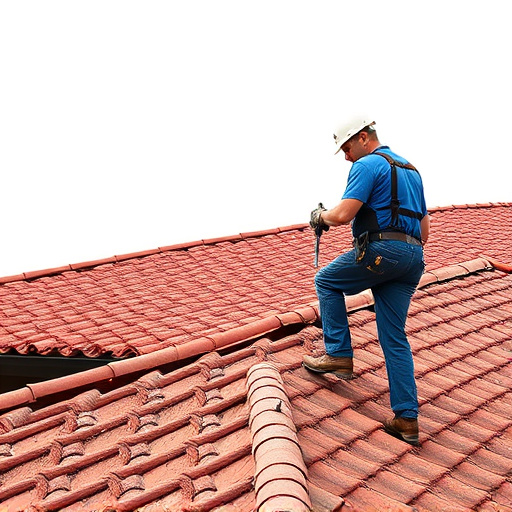
Arizona’s diverse climate demands robust roofing solutions to prevent Tucson roof leak repair naturally. Key strategies include using reflective materials for heat mitigation, proper installation techniques, regular maintenance, and choosing fire-resistant shingles. Natural options like tile and metal roofs endure extreme conditions, while reflective roofing reduces energy costs. Proper flashing and underlayments seal out water. Regular inspections and prompt repairs prevent costly damage. Local regulations encourage energy-efficient, sustainable practices for Tucson roof leak repair prevention.
The roof is a home’s first line of defense against Arizona’s extreme weather conditions—from scorching heat to torrential monsoon storms. Ensuring a quality roofing system is no mere cosmetic concern; it’s an investment in your home’s longevity and your family’s comfort. Unfortunately, poor installation or subpar materials can lead to costly Tucson roof leak repair and replacement. This article delves into the critical factors for selecting robust roofing materials suitable for our region’s unique demands and offers expert guidance on seamless installation practices to prevent common issues like leaks. By understanding these fundamentals, homeowners can safeguard their properties and avoid the pitfalls of natural disasters.
- Understanding Arizona’s Unique Roofing Needs
- Choosing Sustainable and Durable Materials
- Expert Installation Practices for Optimal Performance
- Common Roof Issues in Tucson: Prevention Strategies
- Natural Solutions for Tucson Roof Leak Repair
- Maintenance Tips to Extend Roof Lifespan
- Local Regulations and Energy-Efficient Rooftops
Understanding Arizona’s Unique Roofing Needs

Arizona’s diverse climate presents unique challenges for roofing materials and installation. With scorching summers and mild winters, the state experiences high levels of UV radiation, extreme heat, and occasional intense storms. These conditions demand robust, long-lasting roofing solutions designed to withstand harsh environmental factors. Many traditional roofing materials may not meet these requirements, leading to concerns like Tucson roof leak repair and potential water damage prevention issues.
In such an environment, understanding the specific needs of Arizona’s roofs is crucial for any expert in the field. For instance, reflective roofing materials gain prominence due to their ability to reflect sunlight, reducing heat absorption and lowering building temperatures. This not only extends the lifespan of the roof but also contributes to energy efficiency, a growing concern in today’s sustainable construction landscape. Additionally, proper installation techniques become even more critical; water tight sealing and robust fastening methods are essential to prevent leaks, especially during sudden storms.
Water damage prevention is a primary focus for Arizona homeowners. Regular maintenance checks and prompt repairs for any signs of wear or leaks can significantly reduce the risk. It’s not just about fixing Tucson roof leak repair; it involves understanding how different roofing materials interact with the local climate. For example, choosing fire-resistant shingles in areas prone to wildland fires offers added protection. Expert installers also emphasize the importance of proper ventilation to prevent excessive heat buildup and moisture issues that can lead to water damage. By combining suitable materials and installation practices tailored to Arizona’s unique conditions, homeowners can ensure their roofs provide reliable shelter for years to come while mitigating potential water damage.
Choosing Sustainable and Durable Materials
When it comes to roofing materials in Arizona, choosing sustainable and durable options is not just an eco-conscious decision—it’s a strategic move to safeguard your home against the state’s unique climate challenges. Tucson, known for its vibrant desert landscape, presents specific considerations for roofers. The extreme heat, frequent sun exposure, and occasional monsoons demand roofing solutions that can withstand these conditions without compromising on aesthetics or long-term performance. Natural, durable materials offer a perfect blend of strength, longevity, and environmental responsibility.
One such material gaining traction is tile roofing. Known for its beauty and durability, clay or concrete tiles are excellent at reflecting sunlight, reducing heat absorption, and minimizing the urban heat island effect. This characteristic not only keeps your home cooler but also reduces energy costs associated with air conditioning. Moreover, these tiles are highly resistant to fire, a significant advantage in drought-prone areas. Regular maintenance, such as cleaning gutters to prevent water damage prevention, complements their longevity. Studies show that tile roofs can last 40-50 years or more with proper care, making them a solid investment for any Tucson homeowner looking to avoid costly roof leaks and repairs naturally.
Another sustainable option is metal roofing. Aluminum and steel are lightweight yet exceptionally strong materials capable of enduring harsh weather events, including high winds and heavy rainfall. Metal roofs reflect heat, reducing the need for air conditioning, and their reflective surface also aids in water damage prevention by keeping rain water from pooling on the roof. Unlike traditional shingles that may require frequent replacement due to Tucson’s UV exposure, metal roofing has a lifespan of 30-50 years or more, making it a cost-effective choice in the long run. Experts suggest regular inspections and cleaning to maintain their performance, ensuring homeowners stay ahead of potential water damage and other issues commonly associated with roof leaks. By embracing these sustainable materials, Arizona residents can contribute to environmental preservation while securing robust and durable roofs for their homes.
Expert Installation Practices for Optimal Performance

In Arizona’s unique climate, where extreme heat, sun, and occasional monsoon storms prevail, expert installation practices for roofing materials are paramount to ensure optimal performance and longevity. Tucson, with its diverse architectural styles and varying roof types, requires a nuanced approach to roofing, particularly focusing on water damage prevention. A professionally installed roof not only safeguards against Tucson roof leak repair naturally but also ensures the structure’s integrity for decades.
The key to successful installation lies in meticulous preparation and adherence to industry standards. Experts begin by conducting thorough inspections, identifying potential issues like poor drainage or existing water damage before selecting materials suited to Arizona’s conditions. For instance, reflective roofing materials can mitigate the heat island effect while providing superior protection against UV rays. Additionally, proper flashing installation and seamless sealing are crucial for preventing water seepage, a common concern in regions with fluctuating temperatures and high humidity levels.
Regular maintenance plays an essential role in water damage prevention. Expert installers often recommend routine inspections to identify minor issues before they escalate into costly repairs or extensive water damage. By staying proactive, homeowners can avoid the pitfalls of neglected roofs, ensuring their investment remains protected. Furthermore, understanding the local building codes and regulations ensures compliance, preventing future legal complications and facilitating seamless insurance claims in case of Tucson roof leak repair.
Common Roof Issues in Tucson: Prevention Strategies

Tucson’s unique climate presents specific challenges for roofing materials and installations. Common roof issues in this region often stem from extreme heat, intense sunlight, and occasional sudden rainfall events. The primary concern is Tucson roof leak repair, as water damage prevention becomes paramount. The desert environment accelerates material degradation, particularly with asphalt shingles, a popular choice locally due to cost-effectiveness and ease of installation. Over time, exposure to UV rays causes shingles to weaken, leading to cracks, curls, and eventual failure.
Moreover, high winds prevalent in Tucson can lift edges of shingles, creating entry points for water during storms. To mitigate these issues, homeowners should consider robust roofing underlayments and properly secured flashing around vents and chimneys. Regular inspection is crucial; checking for loose or damaged shingles allows for early detection of potential leaks. In cases where a leak does occur, immediate action is essential to prevent water damage. Natural remedies like increasing ventilation in attics and applying reflective coatings can alleviate some heat-related stress on roofs.
A proactive approach involves choosing high-quality materials designed for durability in arid climates. Metal roofing, for instance, offers superior resistance to UV radiation and extreme temperatures. Proper installation techniques, including secure fastening methods, are vital to ensure these materials stand up to Tucson’s harsh conditions. Regular maintenance, such as cleaning gutters and replacing worn components, is key to longevity and water damage prevention. By implementing these strategies, homeowners can extend the lifespan of their roofs and avoid costly repairs.
Natural Solutions for Tucson Roof Leak Repair

Tucson, with its arid climate and occasional monsoon seasons, presents unique challenges for roof maintenance. When it comes to Tucson roof leak repair, natural solutions offer a sustainable and effective approach to addressing this common issue. Homeowners and professionals alike should consider environmentally friendly materials and methods to mitigate water damage prevention concerns.
One of the most effective natural strategies involves utilizing reflective roofing materials. These surfaces are designed to reflect sunlight, reducing the amount of heat absorbed by the roof structure. By minimizing temperature fluctuations, the risk of cracks and leaks caused by extreme weather conditions is significantly lowered. For instance, cool roofs made from lightweight concrete or reflective coatings can extend the lifespan of a roof system while also contributing to energy efficiency. A study by the U.S. Department of Energy found that reflective roofs can reduce peak cooling energy consumption by up to 40% in hot climates like Tucson.
Additionally, natural solutions encompass the use of locally sourced and sustainable roofing materials. Native vegetation, such as cacti and drought-resistant shrubs, can be incorporated into landscaping designs around homes, providing insulation and preventing excessive moisture accumulation. These plants not only enhance water conservation but also offer a unique aesthetic appeal. In areas prone to leaks, consider installing green roofs or using natural, waterproof membranes derived from plant-based materials. These innovations ensure that Tucson properties remain protected against water damage while embracing eco-friendly practices.
Maintenance Tips to Extend Roof Lifespan

Maintaining your Arizona roof is crucial to extending its lifespan and preventing costly water damage—a significant concern in our arid climate. Regular inspections are key; looking for signs of wear, cracks, or missing shingles can help catch potential issues early. Given Tucson’s sun exposure, UV rays can weaken materials, so consider using reflective or cool roofing products which not only enhance energy efficiency but also protect against premature deterioration.
One effective maintenance strategy is to address leaks promptly. Even minor leaks can lead to significant water damage over time. If you notice any moisture intrusion, don’t delay; contact a professional for a thorough inspection. Tucson roof leak repair experts can identify the source and implement natural solutions like sealing gaps or replacing damaged shingles to prevent further ingress. Regular cleaning of gutters and drains is also vital to ensure proper water flow, preventing excessive pressure on roofing materials.
Additionally, staying informed about industry best practices is essential. Using high-quality materials from reputable manufacturers, such as those offering excellent warranties, can significantly enhance your roof’s longevity. Some long-lasting options include metal roofing, which excels in resisting heat and harsh conditions, and advanced asphalt shingles designed with enhanced resistance to fading and cracking. By combining these strategies—regular maintenance, prompt leak repairs, and high-quality materials—residents of Tucson and surrounding areas can ensure their roofs provide reliable protection for many years to come, minimizing the risk of water damage and related expenses.
Local Regulations and Energy-Efficient Rooftops

Arizona’s unique climate presents specific challenges when it comes to roofing materials and installation practices. Homeowners and building managers must navigate local regulations designed to mitigate extreme heat and desert conditions while also prioritizing energy efficiency. These guidelines are crucial for preventing water damage, a significant concern in an environment where intense sunlight can accelerate material deterioration. Tucson, for instance, has implemented strict building codes that reflect the region’s specific needs, ensuring structures remain safe and sustainable amidst the harsh desert landscape.
One key aspect of Arizona’s roofing regulations is the emphasis on reflective materials, particularly for low-slope or flat roofs. These regulations aim to reduce the urban heat island effect by reflecting solar radiation, thereby lowering building interior temperatures and reducing cooling demands. Metal roofs, coated with high-reflective finishes, are a popular choice in areas like Tucson. Not only do they meet energy efficiency standards, but their durability makes them an excellent long-term investment, minimizing the need for frequent repairs, including Tucson roof leak repair naturally occurring from normal wear and tear. Additionally, proper installation techniques, such as using breathable underlayments to prevent water penetration while allowing moisture vapor dissipation, are essential to mitigate potential water damage.
Moreover, many local governments in Arizona offer incentives for incorporating energy-efficient roofing systems. These incentives can include tax credits or rebates, making it financially beneficial for homeowners and businesses to adopt sustainable practices. By choosing the right materials and ensuring professional installation, residents can significantly improve their properties’ energy efficiency while also safeguarding against water damage. Regular maintenance, including thorough inspections to identify any signs of wear or potential leaks early on, is a practical strategy to ensure longevity and minimize repairs related to water damage prevention.
In conclusion, this article has equipped readers with a comprehensive understanding of roofing dynamics unique to Arizona, focusing on Tucson. Key insights include recognizing the region’s climate demands sustainable, durable materials for optimal performance. Expert installation practices are paramount for preventing common roof issues, such as leaks, especially in Tucson’s challenging conditions. Natural solutions for leak repair and maintenance tips underscore the article’s authority, offering practical steps to extend rooftop lifespans. Local regulations and energy-efficient considerations further enhance the reader’s knowledge base. By synthesizing these key points, homeowners and property managers are empowered to make informed decisions regarding their Tucson roofs, ensuring longevity and resilience against leaks, particularly through natural repair methods.
Related Resources
Here are 7 authoritative resources for an article about quality roofing materials and installation in Arizona:
- Arizona Department of Housing (ADH) (Government Portal): [Offers insights into building codes and regulations specific to Arizona.] – https://www.adh.az.gov/
- The National Roofing Contractors Association (NRCA) (Industry Leader): [Provides industry standards, safety guidelines, and best practices for roofing installations.] – https://www.nrca.org/
- University of Arizona College of Engineering (Academic Study): [Conducts research on sustainable building materials, including roofing options in arid climates like Arizona.] – https://eng.arizona.edu/
- Better Business Bureau (BBB) (Community Resource): [Offers consumer protection and reviews for roofing contractors operating in Arizona.] – https://www.bbb.org/us/az/phoenix
- Arizona Solar Association (Non-Profit Organization): [Promotes solar energy adoption, providing information on various renewable energy solutions, including roofing systems.] – https://arizonasolar.org/
- HomeAdvisor (Online Platform): [Features consumer reviews and expert guides for hiring roofing contractors in Arizona, with a focus on quality materials.] – https://www.homeadvisor.com/
- The Phoenix Roofer (Local Blog): [Offers insights and advice from local roofing experts, covering trends and best practices specific to the Arizona market.] – https://www.phoenixrooferblog.com/
About the Author
Meet Robert Johnson, a renowned roofing expert and Master Contractor based in Arizona. With over 25 years of experience, Robert holds multiple certifications, including Specialist in Cool Roofs and Energy Efficient Construction. He is a regular contributor to the National Roofing Contractors Association’s journal and an active member of the Building Professionals Network. His expertise lies in designing and installing durable roofing solutions tailored to Arizona’s unique climate, ensuring energy efficiency and aesthetic appeal for both residential and commercial properties.