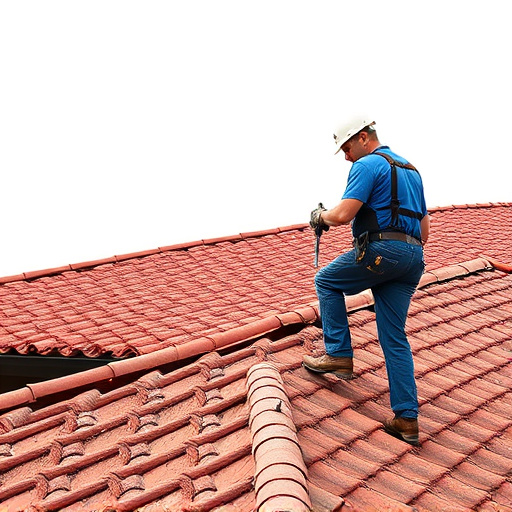
Arizona's extreme climate poses unique challenges for roofing, particularly in Tucson with heat waves, monsoons, and dramatic temperature changes. Key issues include water damage, structural degradation, and drought-related cracking. Licensed contractors address these through:
– Proper ventilation, sealing materials, and inspections to prevent water damage.
– Reflective roofing underlayments to mitigate thermal expansion.
– Drought-resistant systems like ceramic tiles or metal for longevity and energy efficiency.
Regular maintenance, natural repair methods, and adherence to Arizona's strict licensing requirements are vital for durable roofs in this environment, focusing on Tucson roof leak repair naturally. Strategic solutions include waterproof membranes, proper drainage, sealing vents, landscaping, cool roofs, and green roofs. Reputable contractors use advanced technology for leak detection and best practices tailored to Tucson's specific climate challenges.
As Arizona’s climate presents unique challenges for roofing, the need for qualified professionals has never been more evident. The state’s diverse weather patterns, from scorching summers to icy winters, demand expertise in leak repair and prevention that respects both the local environment and residential structures. In this authoritative piece, we dissect the specialized skills required for Tucson roof leak repair naturally, highlighting the crucial role licensed contractors play in safeguarding homes and investments against often subtle yet damaging Arizona climate extremes.
- Understanding Arizona's Unique Roofing Challenges
- Licensing Requirements for Contractors in AZ
- Expertise in Tucson's Natural Climate Conditions
- Identifying and Fixing Common Roof Leaks Naturally
- Sustainable Roofing Solutions for Hotter Climates
- Local Experts: Finding Reputable Tucson Roofers
Understanding Arizona's Unique Roofing Challenges
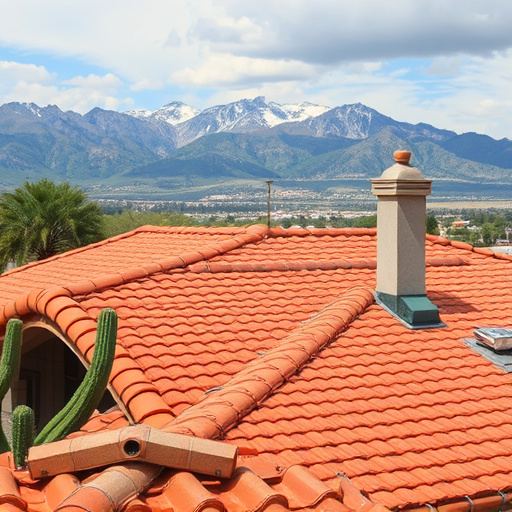
The Arizona climate presents unique roofing challenges due to its extreme temperatures, high humidity levels, and unpredictable weather patterns. Understanding these factors is crucial for homeowners and licensed roofing contractors alike. In cities like Tucson, where heat waves and monsoons are common, roofs must endure significant stress. For instance, the intense sunlight can cause materials to expand and contract, leading to structural damage over time. Moreover, sudden rainstorms followed by rapid temperature drops create a perfect storm for leaks and water damage.
One of the primary concerns is the prevention and repair of Tucson roof leak repairs naturally. Water damage prevention is paramount as even minor leaks can result in substantial interior damage and mold growth. Licensed contractors should employ techniques such as proper ventilation, high-quality sealing materials, and regular inspections to mitigate these risks. For example, using reflective roofing underlayments can help dissipate heat and reduce the risk of thermal expansion. Regular maintenance checks are also essential to identify and rectify issues before they escalate.
Additionally, the arid climate means that roofs must withstand prolonged periods without water, making them susceptible to drying out and cracking. This is further complicated by the rapid changes in weather patterns during Arizona’s monsoons. Contractors specializing in this region should recommend and install roofing systems designed for superior drought resistance and adaptability. Natural materials like ceramic tiles or metal roofing are excellent choices due to their longevity and ability to reflect heat, reducing overall energy costs for homeowners. By understanding and addressing these unique challenges, licensed roofing contractors can ensure the durability and integrity of roofs in Arizona’s demanding climate.
Licensing Requirements for Contractors in AZ
In Arizona, licensing requirements for roofing contractors are stringent to ensure consumer protection and industry standards. Contractors must obtain a license from the Arizona Secretary of State, which involves passing a comprehensive examination covering building codes, safety regulations, and best practices specific to the state’s unique climate. This rigorous process ensures that only qualified professionals can offer their services, particularly in Tucson where varying weather conditions, including intense summer heat and occasional monsoon storms, can lead to complex roofing challenges like rapid water damage and leaks.
Tucson roof leak repair naturally is a critical aspect of Arizona’s construction landscape, underscoring the need for licensed contractors adept at addressing specific climate-related issues. Water damage prevention is not merely a concern; it’s a primary focus given the region’s dry heat and occasional heavy rainfall. Contractors must be well-versed in techniques to mitigate leaks and protect homes from structural water damage. This includes using appropriate materials, implementing sound construction practices, and staying current with regional building codes designed to safeguard against Arizona’s environmental conditions.
Avoiding water damage is not just about quick fixes; it involves strategic roofing solutions tailored to the region. For instance, many licensed Tucson contractors recommend reflective roofing materials to combat the intense summer sun, which can contribute to elevated indoor temperatures and potential structural stress. Additionally, proper drainage systems and seamless flashing are essential components of any Arizona roof repair, ensuring water flows away from the structure rather than seeping in through vulnerabilities created by extreme weather. By adhering to these stringent standards, licensed roofing professionals not only safeguard homes but also contribute to a more resilient and sustainable building environment throughout Arizona.
Expertise in Tucson's Natural Climate Conditions
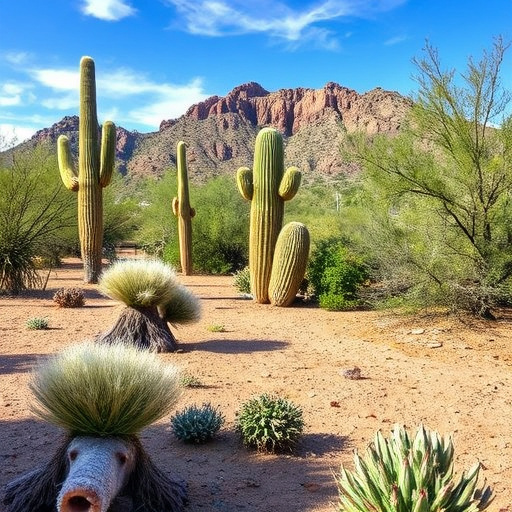
Tucson’s unique climate presents specific challenges for roofing contractors. With its hot, dry summers and occasional intense monsoons, the city experiences a range of weather patterns that can take a toll on roofs. Understanding these conditions is crucial for licensed roofing contractors specializing in the region. One of the primary concerns is Tucson roof leak repair, naturally occurring due to the extreme fluctuations in temperature and humidity.
Contractors must be adept at identifying and mitigating potential water damage prevention strategies. For example, during the summer months, intense sunlight can cause shingles to deteriorate faster, making it vital to use weather-resistant materials. Similarly, the monsoons bring sudden deluges that can lead to leaks if roofs aren’t properly maintained. A professional contractor will employ techniques like ensuring adequate roof drainage and using waterproof membranes to barriers against water penetration. Regular inspections are key; they allow for early detection of minor issues that can prevent more severe water damage.
In addition to leak repairs, Tucson’s climate requires contractors to be proactive in preventing long-term structural damage. This includes regular cleaning to remove debris that might block gutters and downspouts, causing overflows. By addressing these issues, roofing experts contribute to the longevity of homes and businesses, safeguarding them from costly and disruptive water damage.
Identifying and Fixing Common Roof Leaks Naturally
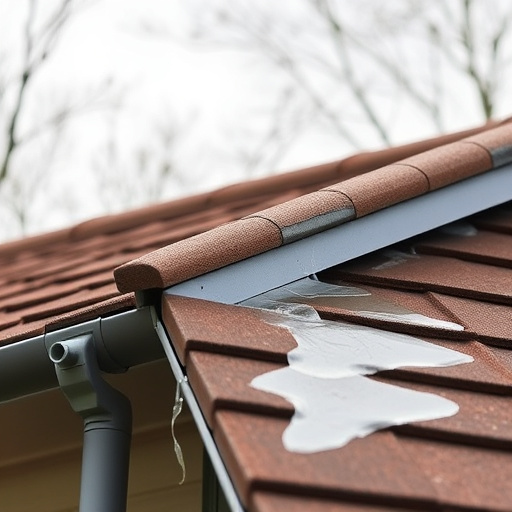
In Arizona’s unique climate, with its scorching summers and occasional monsoons, roof leaks pose a significant concern for homeowners. Identifying and addressing these issues promptly is crucial to prevent water damage—a common aftereffect of leaky roofs. Tucson residents, in particular, should be prepared for such challenges due to the region’s distinct weather patterns. The first step in managing roof leaks naturally is recognizing the signs. Common indicators include discolored or peeling paint, mold growth, and warped shingles or wooden beams. Regular inspections can help homeowners catch these issues early, preventing more severe water damage prevention measures down the line.
One effective natural solution for Tucson roof leak repair is sealing gaps around vents and chimneys with waterproof caulk. These areas are common entry points for moisture, especially during monsoon seasons. Additionally, re-fastening loose shingles or replacing damaged ones can significantly reduce the risk of leaks. It’s important to use high-quality materials suitable for Arizona’s climate to ensure longevity. Natural water repellents derived from minerals like copper or zinc can also be applied to the roof surface to create a protective barrier against moisture intrusion, serving as an eco-friendly alternative to conventional chemicals.
Beyond these remedies, implementing strategic landscaping and structural adjustments around the property can act as preventive measures. Trimming trees and shrubs near the roof allows for better airflow, reducing the risk of moisture buildup. Additionally, ensuring proper drainage systems on your property—from downspouts to gutter systems—is vital for water damage prevention. By adopting these natural strategies, Tucson residents can not only fix common roof leaks but also promote their homes’ overall resilience against Arizona’s climatic challenges.
Sustainable Roofing Solutions for Hotter Climates
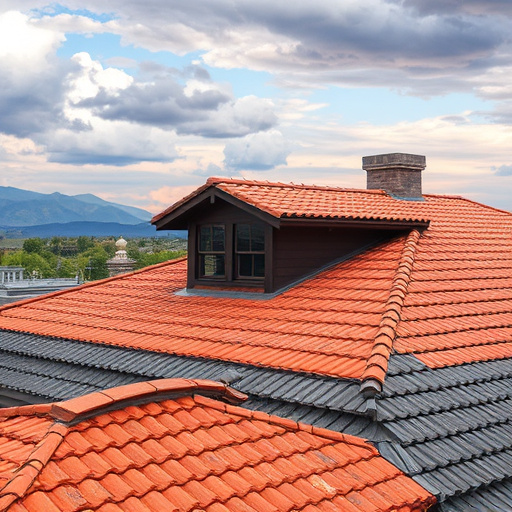
As temperatures rise across Arizona, particularly in cities like Tucson, the demand for sustainable roofing solutions has become increasingly vital. Licensed roofing contractors specializing in this region’s unique climate are equipped to address challenges posed by hotter environments, such as intense sunlight, higher humidity, and extreme thermal fluctuations. One of the key areas of focus is water damage prevention, a critical aspect given Arizona’s occasional monsoons and unpredictable weather patterns. A well-designed sustainable roof can not only reduce water intrusion but also minimize the need for frequent Tucson roof leak repair services.
Contractors in this domain often recommend cool roofs, which are designed to reflect sunlight and absorb less heat than traditional dark roofing materials. This simple yet effective strategy helps lower building interior temperatures, reducing the load on air conditioning systems. Cool roofs can be achieved using reflective coatings, lightweight tiles, or special membrane materials. For instance, a study by the U.S. Department of Energy found that cool roofs can reduce summer energy consumption by up to 20% in hot climates like Arizona. Moreover, this approach not only saves energy but also extends the lifespan of roofing systems by mitigating extreme temperature stress.
Another sustainable practice is implementing green or living roofs, which involve growing vegetation on a waterproof membrane. This eco-friendly solution provides excellent insulation, absorbs rainwater, and reduces the urban heat island effect. During heavy rains, these roofs allow water to infiltrate the soil, recharging groundwater supplies, while excess water can be managed through proper drainage systems. By integrating such innovative techniques, licensed roofing contractors in Arizona contribute to a more resilient and environmentally friendly built environment, ensuring properties remain protected from both weather extremes and potential water damage.
Local Experts: Finding Reputable Tucson Roofers
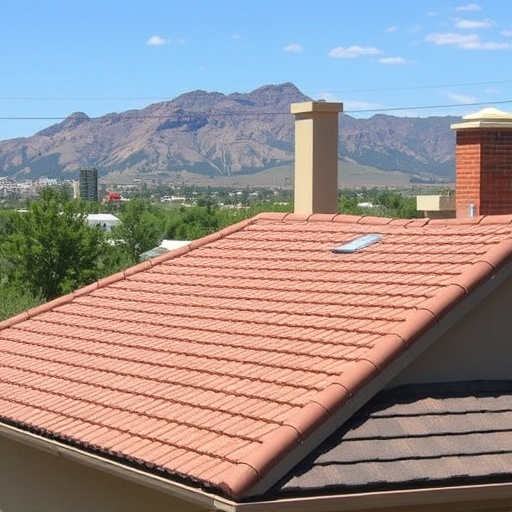
When it comes to addressing roofing concerns in Tucson’s unique climate, engaging the services of licensed roofing contractors who understand local conditions is paramount. Tucson roof leak repair, for instance, requires specialists equipped to handle both common issues and weather-related challenges. The city’s desert environment brings scorching summers, intense monsoon seasons, and occasional severe storms, all of which can put significant strain on roofs.
Reputable Tucson roofer companies not only possess the technical expertise to diagnose complex leaks but also employ methods that promote water damage prevention. This proactive approach involves using high-quality materials designed for longevity in harsh conditions, as well as implementing best practices during installation and maintenance. By prioritizing these measures, contractors can significantly reduce instances of roof leaks and related water damage—a growing concern given the increasing frequency and intensity of extreme weather events in the region.
Local experts emphasize that regular inspections are key to catching potential issues early. This involves not only assessing visible signs of wear or damage but also using advanced technology to detect hidden leaks. By staying proactive, Tucson residents can avoid costly repairs and ensure their homes remain protected from the elements. Moreover, engaging licensed professionals instills confidence in homeowners, knowing their investment is in capable hands. With a rich history and vibrant community, Tucson deserves roofing solutions that merge expertise with an understanding of the local climate—a blend that promises both durability and peace of mind.
By understanding Arizona’s unique roofing challenges, specifically those faced by Tucson’s climate, homeowners can make informed decisions when selecting licensed roofing contractors. The article highlights the importance of expertise in addressing natural climate conditions, such as intense heat and occasional storms, to prevent costly roof leaks. Key takeaways include the value of identifying and fixing common leaks naturally, adopting sustainable roofing solutions, and relying on local experts for reputable Tucson roofer services. Armed with this knowledge, homeowners can proactively maintain their roofs, avoid sudden leaks, and ensure tucson roof leak repair naturally becomes a rare occurrence rather than an ongoing concern.